Sustainability has moved from a marketing concept to an operational priority in the food service industry. Restaurants, catering companies, food trucks, and event planners are under increasing pressure to reduce waste and eliminate conventional plastic. One of the most visible changes businesses can make is switching to Compostable cutlery.
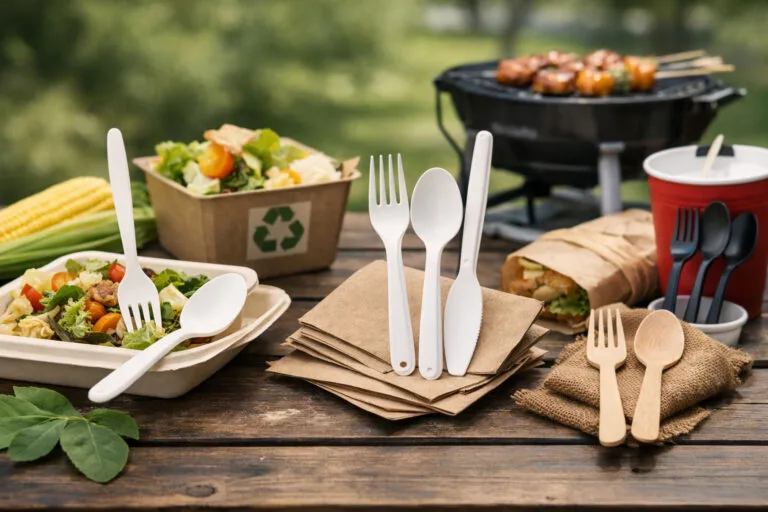
However, selecting the right option is not as simple as choosing the first eco friendly product available. Compostable cutlery must withstand real world demands such as cutting dense proteins, handling hot foods, and maintaining structural integrity during service. This comprehensive guide explains how to evaluate quality, performance, certifications, and sourcing considerations including the advantages of USA made cutlery.
Why Compostable Cutlery Is a Strategic Decision
Disposable utensils are often used for only a few minutes but remain in landfills for decades. Restaurants and caterers that switch to Compostable cutlery significantly reduce their environmental footprint while aligning with evolving consumer expectations.
Beyond sustainability, there are additional benefits:
Improved brand perception
Compliance with local plastic restrictions
Enhanced appeal to corporate and environmentally conscious clients
Potential integration with composting programs
For many food service businesses, adopting Compostable cutlery is both a practical and reputational investment.
Understanding Compostable Materials
Different materials influence strength, heat resistance, and overall performance. Understanding these materials is essential before placing bulk orders.
PLA and CPLA
PLA, or polylactic acid, is derived from plant starch. It works well for cold foods but can soften under high heat. CPLA is a crystallized form of PLA that offers improved heat resistance and durability. Many restaurants prefer CPLA for hot meals because it maintains rigidity better than standard PLA.
Wood Based Cutlery
Wooden utensils provide natural strength and are widely compostable. They are suitable for many applications but may feel lighter compared to heavier plastic alternatives. High quality wood options offer smooth finishes and reduced splinter risk.
Bamboo Cutlery
Bamboo is renewable and sturdy. It offers a premium feel and strong structural integrity. For upscale catering events, bamboo can enhance presentation while remaining compostable.
Each material has specific strengths. Matching material characteristics with menu requirements is critical for customer satisfaction.
Key Performance Factors to Evaluate
Selecting Compostable cutlery requires careful evaluation of performance standards. Restaurants and catering teams should focus on the following attributes:
Structural Strength
Fork tines must pierce food without bending. Knives should cut through proteins and vegetables effectively. Spoons should hold soups or sauces without flexing.
Heat Resistance
Hot meals require utensils that maintain shape when exposed to elevated temperatures. If your menu includes grilled items, pasta, or soups, prioritize high heat resistant options.
Comfort and Ergonomics
The handle design influences user experience. Utensils should feel balanced and comfortable in the hand, particularly during extended meals at events.
Surface Finish
Smooth surfaces improve customer perception and reduce risk of splinters or rough edges.
Testing samples with your actual menu items is one of the most effective evaluation strategies.
Matching Cutlery to Your Service Model
Not all food service environments have the same requirements. A quick service restaurant differs significantly from a full service catering event.
Quick service operations often prioritize cost efficiency and high volume consistency. Catering companies may emphasize presentation and premium aesthetics. Outdoor festivals require durability and resistance to moisture exposure.
Evaluate your service model carefully by considering:
- Menu complexity
- Average meal duration
- Indoor or outdoor setting
- Portion sizes
- Guest expectations
The best Compostable cutlery aligns with your operational realities rather than generic specifications.
Certifications and Composting Standards
Compostable claims should be supported by recognized certifications. These certifications verify that products break down into natural elements under specific composting conditions.
It is important to determine whether your region offers commercial composting facilities. Some compostable materials require industrial composting to decompose properly. Clear labeling and coordination with waste management providers ensure your sustainability goals translate into measurable impact.
Restaurants that integrate compost collection programs can further enhance environmental outcomes.
The Benefits of USA Made Cutlery
Sourcing USA made cutlery can provide tangible operational advantages.
Domestic manufacturing often ensures adherence to stringent safety and quality regulations. This can reduce variability in thickness, finish, and durability.
Shorter supply chains may improve inventory reliability and lead times. For restaurants and caterers managing tight schedules, consistent availability is essential.
Additionally, choosing USA made cutlery can strengthen sustainability messaging by reducing transportation related emissions and supporting domestic production. Many corporate clients appreciate transparency in sourcing and production.
Cost Versus Long Term Value
It is true that Compostable cutlery may carry a slightly higher upfront cost compared to traditional plastic. However, the long term benefits frequently justify the investment.
Improved brand positioning can attract environmentally conscious customers. Compliance with local regulations prevents potential fines or operational disruptions. Partnerships with venues that require sustainable practices become easier to secure.
When evaluating pricing, consider durability and performance rather than focusing solely on per unit cost. Low quality options that break easily may increase waste and frustrate customers.
Storage and Handling Considerations
Proper storage plays a significant role in maintaining quality. Compostable materials can be sensitive to moisture and extreme heat.
Store cutlery in a cool, dry environment. Avoid prolonged exposure to humidity. Ensure packaging remains sealed until use to preserve structural integrity.
Training staff on proper handling also reduces breakage during service.
Presentation and Brand Experience
Cutlery is part of the overall dining experience. Even disposable utensils contribute to perceived quality.
For catered events, coordinated design between plates, napkins, and Compostable cutlery creates a cohesive presentation. Neutral tones and clean lines often complement diverse themes.
Communicating your commitment to sustainability through signage or menu inserts can further enhance brand reputation.
Evaluating Suppliers Carefully
Selecting a reliable supplier is as important as choosing the right material.
Ask potential suppliers about:
- Material sourcing transparency
- Manufacturing standards
- Compostability certifications
- Availability of USA made cutlery options
- Quality testing procedures
Requesting product samples allows you to conduct realistic testing before committing to large orders.
Long term supplier relationships can lead to better pricing stability and consistent product availability.
Common Mistakes to Avoid
Some restaurants make the transition to compostable options without thorough testing. This can result in bending forks, ineffective knives, or softened spoons during service.
Avoid selecting cutlery based solely on appearance or cost. Evaluate performance with your most demanding menu items.
Another common mistake is failing to coordinate waste disposal plans. Compostable products should be paired with appropriate composting solutions whenever possible.
Future Trends in Sustainable Food Service Supplies
Material innovation continues to improve the durability and versatility of Compostable cutlery. Manufacturers are developing stronger plant based polymers and enhanced wood finishing processes.
As sustainability regulations expand and consumer awareness increases, compostable solutions are likely to become the standard rather than the exception.
Restaurants and caterers that adopt high quality compostable options early position themselves as industry leaders.
Choosing the best Compostable cutlery for restaurants and catering requires careful consideration of material type, strength, heat resistance, certifications, and supplier reliability. When properly selected, compostable utensils can deliver dependable performance while significantly reducing environmental impact.
Incorporating USA made cutlery adds an additional layer of quality assurance and supply chain stability. For businesses focused on sustainability, operational efficiency, and customer satisfaction, the transition to compostable solutions represents a strategic and forward thinking decision.
By prioritizing durability, functionality, and verified compostability, restaurants and catering companies can confidently serve meals that reflect both culinary excellence and environmental responsibility.