In the high-stakes environment of an operating room, the precision, reliability, and functionality of surgical equipment are not merely matters of convenience—they are matters of life and death. From the simplest scalpel to complex robotic systems, every instrument is a vital link in the chain of a successful procedure. When these tools fail or malfunction, the consequences can range from procedure delays and increased patient risk to significant financial setbacks for the healthcare facility. The specialized field of fixing surgical equipment, often managed by Biomedical Equipment Technicians (BMETs) or clinical engineers, is therefore a critical, yet often unseen, pillar of modern healthcare delivery.
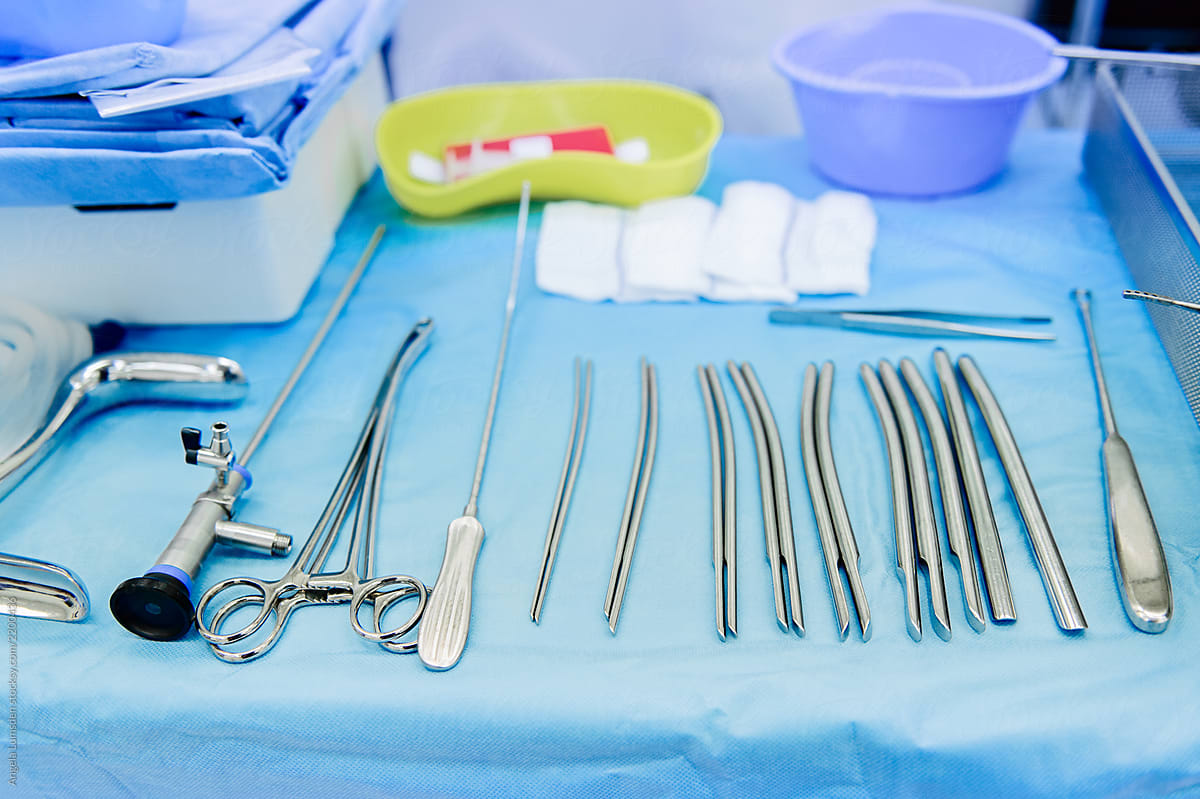
The Precision Imperative: Why Equipment Fails
Surgical instruments are subjected to extreme conditions daily. They must endure intense physical stress, repeated cycles of high-temperature sterilization (autoclaving), exposure to corrosive biological fluids, and constant manipulation. Given this rigorous environment, failures are inevitable, but their causes are often systematic:
1. Wear and Tear from Reprocessing
The single biggest source of damage comes from the essential process of cleaning and sterilization. Instruments can become misaligned, stiff, or corroded if cleaning protocols are not followed meticulously. For example, jointed instruments like scissors or hemostats can freeze up if residual bioburden is not removed before autoclaving, necessitating lubrication and recalibration.
2. Misuse and Handling Issues
Even in the most professional settings, instruments can be damaged through improper use, such as using a delicate laparoscopic grasper for heavy-duty tasks, or dropping items during transport between the operating room and the sterile processing department. Fixing these items often requires realigning delicate tips or replacing damaged insulation on electrosurgical instruments.
3. Technology Complexity
Modern surgical theaters rely on sophisticated electronics, including electrocautery units, patient monitors, insufflators, and endoscopes. These devices involve complex PCBs (Printed Circuit Boards), software, and optics. A technical malfunction, such as a calibration error or a power supply failure in an imaging system, requires advanced troubleshooting skills far beyond basic mechanical repair.
The Role of the Biomedical Equipment Technician (BMET)
The heroes who fix this essential gear are the BMETs. Their expertise combines elements of electronics, mechanics, IT, and clinical knowledge. Their work is multifaceted and vital:
1. Preventive Maintenance (PM)
The most crucial aspect of fixing equipment is preventing it from breaking in the first place. PM involves scheduled inspections, lubrication, calibration, and replacement of components prone to failure (e.g., batteries, filters, seals). A robust PM program ensures that equipment meets manufacturer specifications and is safe for patient use, dramatically reducing unexpected failures during surgery.
2. Calibration and Quality Assurance
Many surgical devices, particularly those involved in energy delivery (like electrosurgical units or laser systems), must be calibrated precisely. A BMET ensures that the device outputs the exact energy level displayed, preventing burns or ineffective tissue dissection. For complex orthopedic power tools, the BMET verifies that the torque and speed settings are accurate.
3. Rapid Response and Troubleshooting
When equipment fails mid-procedure—a patient monitor freezes, a suction pump loses power, or a surgical robot arm stops moving—the BMET must be able to respond immediately. This requires expert diagnostic skills to quickly identify whether the problem is a user error, a hardware failure, or a software glitch, minimizing downtime in the operating theater.
The Financial and Clinical Impact of Repair
Investing in high-quality repair and maintenance offers substantial returns, both financially and clinically.
1. Cost Savings Over Replacement
Surgical instruments and high-tech equipment are significant capital investments. A single flexible endoscope can cost tens of thousands of dollars, and a complete surgical robot system can cost millions. Repairing a damaged scope (e.g., replacing the light bundle or bending section) or fixing a component of the robot is almost always a fraction of the cost of replacement. Effective in-house repair strategies save hospitals millions annually.
2. Safety and Sterility Compliance
Proper repair is inextricably linked to patient safety. An instrument that is repaired incorrectly, even slightly, can cause harm. Furthermore, a BMET must ensure that the repaired instrument can withstand and pass the sterilization process without trapping contaminants or degrading. This work directly supports infection control protocols and compliance with regulatory bodies like the FDA.
Conclusion: A Seamless Operation Depends on Maintenance
The operating room is a symphony of specialized skills and technology, all working towards a single goal: a positive patient outcome. The individuals dedicated to fixing surgical equipment—the BMETs and clinical engineers—are the unseen conductors of this orchestra, ensuring that every instrument is sharp, every monitor is accurate, and every sophisticated device performs flawlessly when it matters most. Their commitment to meticulous repair and proactive maintenance is what allows surgeons to focus entirely on the patient. For any healthcare facility aiming for excellence, the reliable repair of surgical equipment is not an overhead cost to be minimized, but a fundamental investment in patient safety and clinical efficiency.