Why Fixing Surgical Equipment is Critical to Healthcare
In the high-stakes environment of an operating room, the precision, reliability, and functionality of surgical equipment are not merely matters of convenience—they are matters of life and death. From the simplest scalpel to complex robotic systems, every instrument is a vital link in the chain of a successful procedure. When these tools fail or malfunction, the consequences can range from procedure delays and increased patient risk to significant financial setbacks for the healthcare facility. The specialized field of fixing surgical equipment, often managed by Biomedical Equipment Technicians (BMETs) or clinical engineers, is therefore a critical, yet often unseen, pillar of modern healthcare delivery.
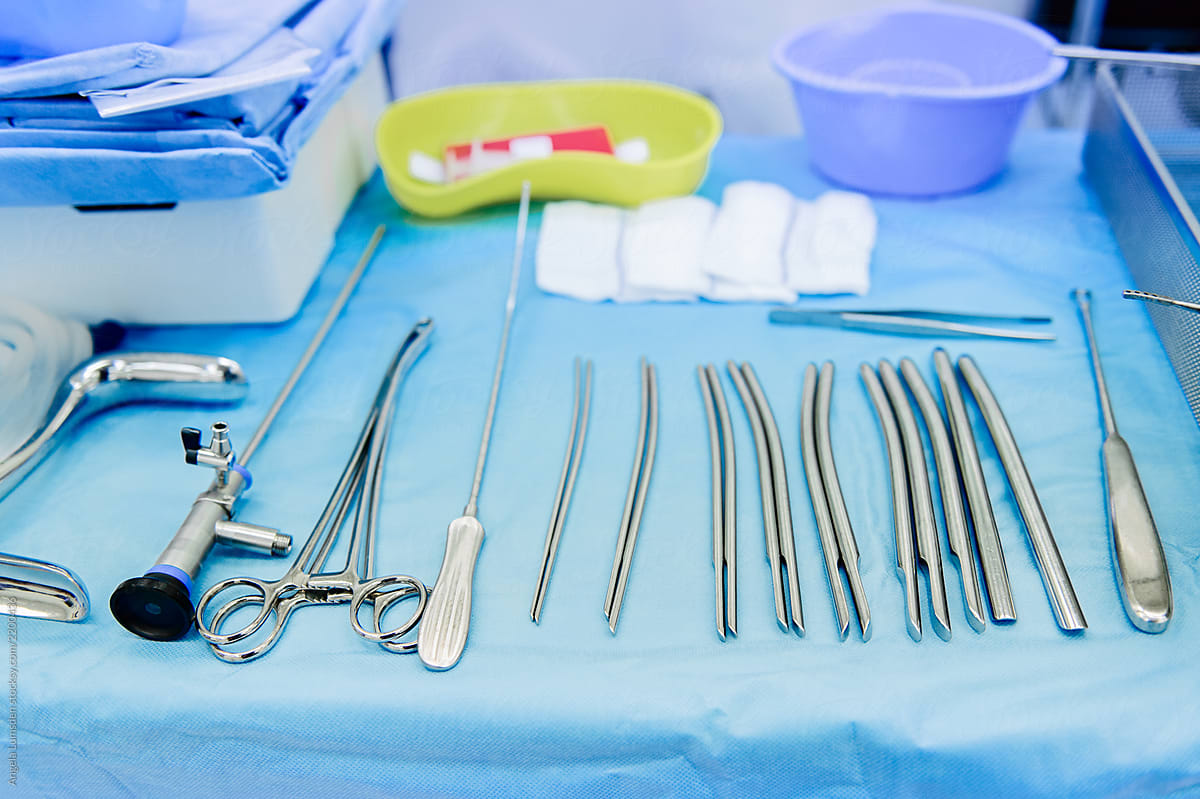
The Precision Imperative: Why Equipment Fails
Surgical instruments are subjected to extreme conditions daily. They must endure intense physical stress, repeated cycles of high-temperature sterilization (autoclaving), exposure to corrosive biological fluids, and constant manipulation. Given this rigorous environment, failures are inevitable, but their causes are often systematic:… Read more