In an era where the global wellness industry is valued at trillions of dollars, consumers are constantly bombarded with “miracle” supplements, “superfood” powders, and revolutionary health gadgets. We live in a world where a single social media post can turn an obscure berry into a global sensation overnight. However, behind the glossy packaging and persuasive marketing copy lies a complex world of science, regulation, and sometimes, misinformation.
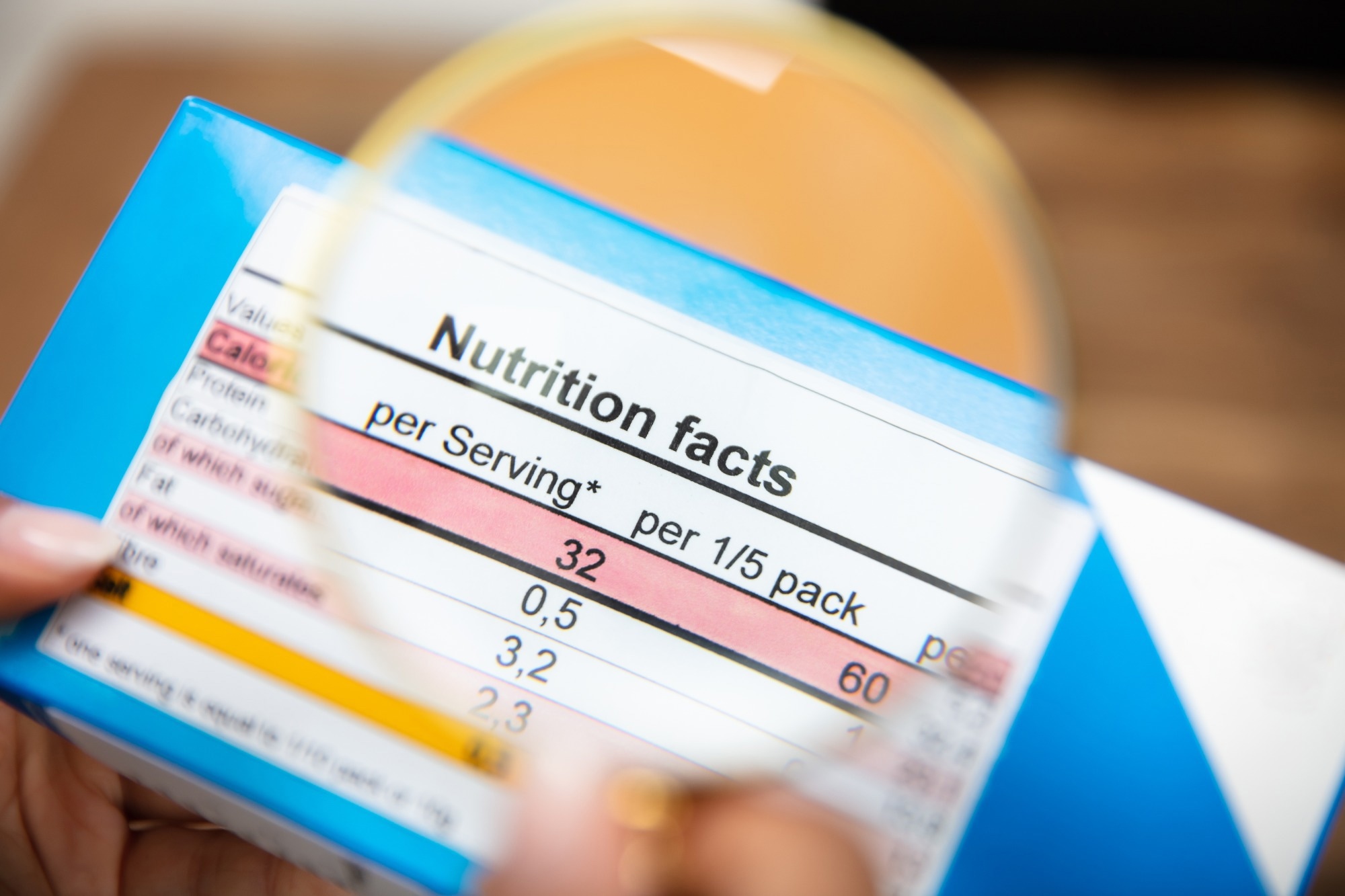
Becoming a savvy consumer in the modern age requires more than just reading the front of a bottle. It requires an understanding of how health products are formulated, how their claims are substantiated, and what the “facts” on the label actually mean for your unique physiology.
Understanding the “Supplement Facts” Label
When you pick up a bottle of vitamins or a protein supplement, the first thing you see is the Supplement Facts panel. Unlike the Nutrition Facts found on standard food items, these labels are governed by specific regulatory standards that allow for certain nuances.
One of the most critical elements to understand is the Daily Value (DV). This percentage is based on a standardized 2,000-calorie diet, but it is often a “one-size-fits-all” metric. For example, a product offering 1,000% of your DV of Vitamin B12 might seem impressive, but since B12 is water-soluble, your body will simply excrete what it cannot absorb.
Furthermore, the order of ingredients matters. Just like food labels, ingredients are listed in descending order by weight. If a “Greens Powder” advertises spirulina and kale on the front but lists maltodextrin or “natural flavors” as the first two ingredients, you are paying a premium for fillers rather than the nutrient-dense plants you desire.
The Bioavailability Gap: Not All Nutrients Are Equal
A common misconception in the health product world is that the amount of a nutrient listed on the label is the exact amount your body will use. This introduces the concept of bioavailability—the proportion of a substance that enters the circulation when introduced into the body and so is able to have an active effect.
For instance, consider Magnesium. You might find a cheap supplement containing Magnesium Oxide. While it has a high percentage of elemental magnesium, its bioavailability is notoriously poor (roughly 4%). In contrast, Magnesium Glycinate or Citrate is much more readily absorbed by the digestive tract.
When analyzing health product facts, look for the “form” of the nutrient. Chelated minerals and fat-soluble vitamins (A, D, E, and K) paired with a lipid source are generally more effective. If a product doesn’t specify the form of the ingredient, it is often a sign that the manufacturer prioritized cost-cutting over efficacy.
Decoding Marketing Buzzwords: Natural, Organic, and Non-GMO
The health industry thrives on “halo effect” marketing—using words that make a product feel healthy regardless of its actual nutritional profile.
- Natural: In many jurisdictions, the word “natural” is loosely regulated. It essentially means nothing was added that wouldn’t normally be expected to be in the food. It does not guarantee the absence of pesticides or highly processed manufacturing.
- Organic: This is a more rigorous standard. Products labeled “Certified Organic” must meet strict guidelines regarding synthetic fertilizers, sewage sludge, irradiation, and genetic engineering.
- Non-GMO: This simply means the ingredients were not genetically modified. While important to many, a “Non-GMO” cookie is still a cookie; the label does not automatically make it a “health food.”
As a professional tip, always look for third-party certifications such as NSF International, USP, or Informed-Choice. These independent organizations test products to ensure that what is on the label is actually in the bottle and that the product is free from contaminants.
The Role of Proprietary Blends
Perhaps the most frustrating “fact” found on health product labels is the Proprietary Blend. This allows manufacturers to list a group of ingredients under a single weight (e.g., “Performance Matrix – 500mg”) without disclosing the specific dosage of each individual component.
While companies claim this protects their “trade secrets,” it often serves as a way to “fairy dust” a product—adding a tiny, ineffective amount of an expensive ingredient just so they can claim it is present. When it comes to your health, transparency is king. Seek out brands that utilize “open labels,” providing the exact milligram count for every active ingredient.
Functional Foods and the Placebo Effect
We are seeing a massive rise in functional foods—coffees infused with mushrooms, sparkling waters with collagen, and snacks containing probiotics. While the science behind functional ingredients like Lion’s Mane or Ashwagandha is promising, the “facts” often fail to mention the therapeutic dose.
Research might show that 1,000mg of a specific herb reduces stress, but if your “functional tea” only contains 50mg, the benefits you feel might be more related to the ritual of drinking tea (the placebo effect) than the herb itself. Understanding the clinical dosages used in scientific studies is the ultimate way to verify if a health product will actually deliver on its promises.
Conclusion: Empowering Your Wellness Journey
Navigating the world of health products can feel like walking through a minefield of jargon and high-pressure sales tactics. However, by focusing on ingredient quality, bioavailability, and label transparency, you can strip away the marketing noise and find products that truly support your goals.
Remember that supplements and health products are meant to do exactly that: supplement a foundation of good nutrition, regular movement, and adequate sleep. No pill or powder can replace the fundamental pillars of health, but the right ones—backed by honest facts—can certainly give you an edge.
Before starting any new regimen, always consult with a healthcare professional to ensure a product aligns with your specific medical history and needs.