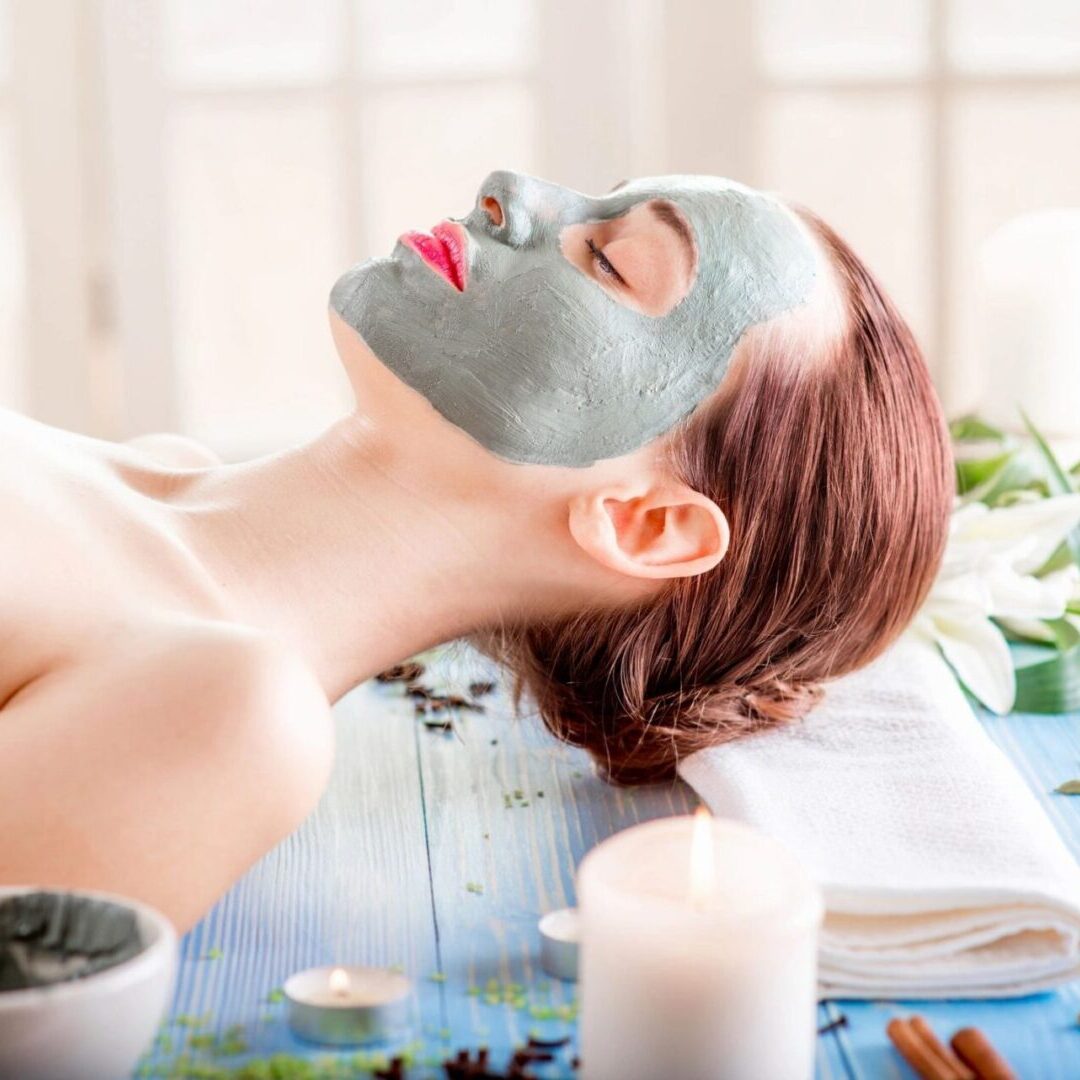
When it comes to facial treatments that turn your aesthetic goals into reality, it is time to move past standard, cookie-cutter skincare playbooks. True skin transformation doesn’t come from throwing every fancy machine and viral trend at a face in a single sitting. It comes from calculated, curated, radical synergy, knowing precisely how to pair, layer, and manipulate advanced techniques to force real results without compromising the skin barrier.
1. Skin Preparation Before Exfoliation: Steam and Hydradermabrasion
In facial treatments, the first step before removing dead skin cells whether through exfoliation or chemical peel, is skin preparation. The use of Steam and Hydradermabrasion is highly important as supportive treatments. In this supportive preparation, steam softens hardened oils and dead cells on the skin’s surface. That makes it easy for exfoliation.
The steam also helps open up pores for effective cleaning during the subsequent process. And when gentle deep cleansing facial is needed without aggressive manipulation, Hydradermabrasion becomes ideal. It uses a combination of water pressure and serums to cleanse the face. This removes the initial layer of impurities before chemicals or scrubs are applied.
That is where professional expertise matters. The supporting treatment should prepare and condition the skin, not simply add another procedure to the appointment.
2. Pore Cleansing and Extractions: Desincrustation for Easier Removal
If you have stubborn blackheads or whiteheads, extractions are the part of a facial designed to remove suitable congestion from the pores. That can work well around the nose, chin and forehead, where oil and dead skin often accumulate.
The challenge is doing this without turning the treatment into a battle between the practitioner and the skin.
For clients with significant oil and congestion, a professional may use a desincrustation solution, sometimes alongside galvanic current, to help soften and emulsify sebum before selected extractions. This can make the extraction process easier in suitable cases.
Still, the goal is not to empty every pore during one appointment. An experienced practitioner knows that excessive pressure can produce unnecessary irritation.
A specialized approach means:
- Preparing the skin before extraction.
- Selecting only suitable areas.
- Using controlled pressure and proper technique.
- Leaving inflamed or unsuitable lesions alone.
The best extraction is not necessarily the most dramatic one. It is the one that improves visible congestion while respecting the condition of the surrounding skin.
3. Post-Extraction Skin Care: High-Frequency Facial Therapy
Once extractions have cleared selected congestion, the skin may appear temporarily red or feel sensitive because it has undergone physical manipulation. This is where a facial professional may introduce a complementary treatment rather than immediately moving into another intensive procedure.
High-frequency facial therapy uses a glass electrode to deliver a mild electrical current at the surface of the skin. Traditional devices can produce small amounts of ozone during treatment, and high frequency has long been incorporated into professional facial protocols, particularly around extraction work.
Its purpose is supportive rather than magical.
The practitioner still has to decide whether it belongs in the treatment at all. Someone with highly reactive skin may require a different finishing approach, while another client with appropriate skin may tolerate it well.
This is a good example of why combining treatments requires expertise. A facial professional is not simply adding technology; they are deciding whether that technology makes sense for the skin and the procedure being performed.
4. Facial Massage and De-Puffing
After completing the core skin treatment, your skin may experience a certain level of shock or inflammation (micro-trauma and inflammation). At this stage, a “relax treatment” or soothing treatment does not just mean physical rest, but is an important scientific and practical step aimed at calming the skin.
A professional massage helps to reduce redness, heat, and irritation caused by peels or extractions. Also, after deep cleansing steps, your face may become slightly swollen with fluid retention. Thus dealing with that puffiness is a necessary aftercare. It uses cold techniques like Ice Globes and Lymphatic Drainage massage to remove retained fluid beneath the skin, restoring a smooth facial shape and creating a sculpted, youthfully lifted look.
5. Skin Soothing and Replenishment: Hydrojelly, Cryotherapy and LED
After exfoliation, extractions and massage, the skin needs a finishing treatment that matches its current condition. This is why masking should not be reduced to choosing whichever mask sounds most luxurious on the spa menu.
A professional can select a formulation according to the immediate need. Hydrating ingredients may suit dry or dehydrated skin, while a calming formulation may be more appropriate when the skin feels warm or temporarily irritated.
A Hydrojelly mask can provide a cooling, hydrating finishing experience, while appropriate LED therapy can be incorporated into some professional protocols.
LED selection matters. Red and near-infrared wavelengths are commonly used for photobiomodulation, while blue-light devices are commonly used in acne-focused skincare. The treatment should follow the manufacturer’s instructions and professional assessment rather than being presented as a universal solution.
Cold therapy, such as suitable cooling globes, can also make the finishing stage more comfortable and temporarily reduce visible redness. The principle is straightforward: the mask and supporting treatments should respond to what the facial has already done to the skin. They should complement the treatment rather than simply make the appointment appear more elaborate.
6. Post-Facial Care: Protecting and Maintaining Your Results
The final part of a comprehensive facial is not another machine. It is what happens once the client returns home. After exfoliation or a chemical peel, the skin may require a gentler routine while it settles. After extractions, unnecessary manipulation should be avoided.
And after treatments that can increase sensitivity to sunlight, sensible sun protection becomes especially important.
A professional aftercare plan can therefore include:
- Broad-spectrum sunscreen and sensible sun avoidance.
- Gentle cleansing instead of aggressive scrubbing.
- Appropriate moisturization to support the skin barrier.
- Temporary reduction or avoidance of irritating active products when advised.
- Clear instructions about when to resume stronger skincare treatments.
This is also where the quality of the service becomes obvious. A practitioner who simply finishes the facial and sends you home has completed a procedure. Someone who explains what your skin may experience afterward, what you should avoid and how to maintain the result is providing a more complete service.
The advice should also reflect what you actually had done. Aftercare following a chemical peel should not necessarily be identical to aftercare following a basic hydrating facial. Good skincare continues after you leave the treatment room.
In essence, the most aligned facial services are built around coordination rather than complexity. Every additional technique should have a clear purpose and fit the client’s skin, treatment history and desired outcome. That means identifying medical-grade facial professionals for refined protocols and a facial treatment that feels considered, modern and genuinely individualized, not simply longer or more expensive.